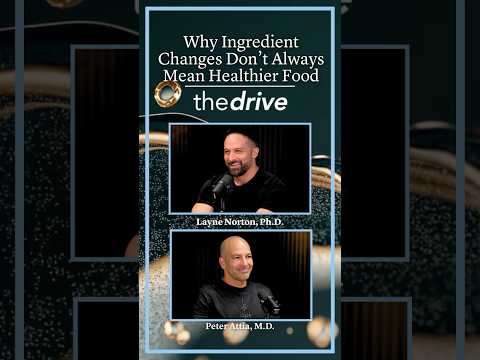
Do Ingredient Swaps Actually Make Food Healthier?
Not always. Food companies frequently change ingredients to capitalize on health trends, but ingredient swaps don't automatically mean better nutrition. A company might remove one ingredient consumers fear while keeping equally problematic ones. Understanding ingredient labeling and nutrition science helps you see through marketing language and make smarter choices about what you eat.
The Ingredient Label Illusion
Ingredient lists can be misleading. They show what's in the product, but not in what amounts. A label might highlight the removal of one ingredient while ignoring the bigger nutritional picture. Manufacturers know consumers scan labels for feared ingredients like artificial colors or high fructose corn syrup. They capitalize on this by removing one thing while the overall product remains nutritionally empty or problematic.
Consider a cereal that removes artificial dyes but still contains 12 grams of added sugar per serving. The marketing shouts about the dye removal. Your body doesn't care about the color source if you're consuming excessive sugar. This is where nutrition science and critical thinking become essential tools.
When evaluating products, look beyond single ingredients. Check the nutrition facts panel for total sugar, sodium, and fiber. Compare products head-to-head using the same metrics rather than trusting a company's selective messaging about ingredient changes.
Marketing Claims vs. Nutritional Reality
Health marketing claims are designed to sell products, not necessarily to inform you. Terms like "natural," "clean label," and "no artificial ingredients" sound healthy but mean little nutritionally. The FDA doesn't regulate "natural" claims consistently. A product with no artificial ingredients can still be loaded with processed carbohydrates and unhealthy fats.
Companies understand consumer psychology. They know you're busy and won't spend five minutes analyzing a nutrition label. Health marketing exploits this by using emotional language and highlighting single positive changes while downplaying nutritional weaknesses.
When you see bold claims on the front of a package, flip it over. Look at serving size, calories, macronutrients, and ingredient lists. Ask yourself: Does this product fit my actual health goals, or am I being sold a story? A product can have "no artificial colors" and still be nutritionally inferior to competitors.
How to Become a Smarter Food Consumer
Nutrition education isn't complicated, but it requires intentional effort. Start by understanding the basics: calories, protein, carbohydrates, fat, sodium, and fiber. These fundamentals matter more than whether ingredients are "natural" or "clean."
Learn to identify ultra-processed foods. They typically have long ingredient lists with items you can't pronounce. Whole foods and minimally processed options usually have shorter, recognizable ingredients. This doesn't mean processed foods are always bad, but ultra-processing often correlates with added sugars, sodium, and unhealthy fats.
Compare similar products using nutrition facts panels. Don't rely on marketing claims. If you're choosing between two protein bars, compare the macronutrient ratio and total ingredients rather than trusting one brand's "superfood" label.
Consider hiring a nutritionist or dietitian if you want personalized guidance. Local nutrition experts can review your current diet and help you make changes that align with your actual health goals. Find local service professionals near you who can provide specialized nutrition counseling.
The Bottom Line on Ingredient Changes
Ingredient swaps are marketing tools. They're often real changes, but they don't guarantee better nutrition. A company removing one ingredient while keeping others questionable is making a calculated marketing move, not necessarily improving the product's health value.
Educate yourself on the basics of nutrition science. Learn to read labels critically. Ignore sensational marketing claims. Ask what's actually changing in a product's nutritional profile, not just what ingredient is being removed.
Your food choices matter, but they matter based on overall nutrition, not individual ingredient drama. Companies will continue chasing health trends and updating ingredients accordingly. Your job is to see through the marketing and focus on what actually affects your body: total nutrition, not ingredient optics.