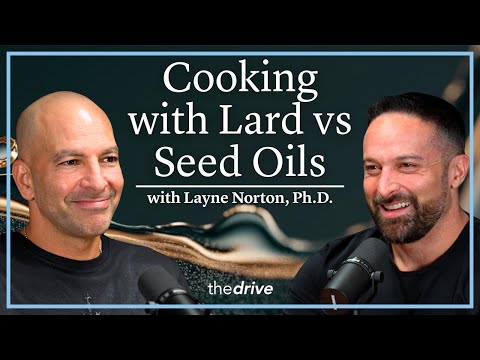
Lard vs Seed Oils: The Direct Answer
Lard is more stable for high-heat cooking than most seed oils. It contains less polyunsaturated fat, which oxidizes when heated. Seed oils like soybean and canola break down at lower temperatures, creating harmful compounds. For frying and roasting, lard performs better. For salad dressings and cold applications, seed oils work fine. The key difference comes down to heat stability and oxidative stress on your body.
Understanding Cooking Fat Stability
Not all fats behave the same way in the pan. Heat stability depends on a fat's composition. Saturated fats resist oxidation. They stay intact at high temperatures. Polyunsaturated fats oxidize easily. This means they break down and create free radicals.
Lard is roughly 45 percent saturated fat. It has a smoke point around 370 degrees Fahrenheit. This makes it reliable for frying bacon, searing meat, or roasting vegetables. Seed oils like soybean oil sit around 40 percent polyunsaturated fat. Their smoke points range from 320 to 450 degrees, but their low saturation means they degrade faster.
When polyunsaturated fats oxidize, they form compounds like lipid peroxides and aldehydes. Your body recognizes these as inflammatory triggers. This inflammation can accumulate over time, especially if you cook with unstable oils daily.
What the Nutrition Research Actually Shows
The science on cooking fats has shifted. Earlier studies blamed saturated fat broadly. Newer research distinguishes between different contexts. Saturated fat in whole foods behaves differently than oxidized polyunsaturated oil in your bloodstream.
Studies comparing cooking methods show lard produces fewer oxidation byproducts than seed oils when heated repeatedly. This matters for restaurants and home cooks who reuse oil. If you roast chicken in seed oil three times before changing it, oxidation compounds accumulate faster than with lard.
Research also reveals seed oils contain high omega-6 polyunsaturated fats. Too much omega-6 relative to omega-3 can promote inflammation. Most people already consume excess omega-6 from processed foods. Adding more through cooking oil amplifies the imbalance.
This doesn't mean seed oils are toxic. It means context matters. Using olive oil for salads poses no oxidation risk. Using soybean oil for deep frying multiple times per week presents a different risk profile.
Practical Cooking Choices for Your Kitchen
Match your fat to your cooking method. High-heat cooking deserves stable fats. Lard, beef tallow, and coconut oil fit here. Ghee also works well. These hold up to searing, frying, and roasting without breaking down.
Medium-heat cooking allows more flexibility. You can use avocado oil or refined coconut oil. These have higher smoke points than many seed oils.
Low-heat cooking and no-heat applications are where seed oils perform fine. Use them for salad dressings, marinades, or drizzling. The oil never heats, so oxidation doesn't occur. Olive oil excels here.
Quality matters too. Sourcing good fat from local producers makes a difference. Consider visiting Buy Local Directory to find local farms or butchers who carry quality lard and animal fats in your area.
Store fats properly. Lard keeps in the fridge for months. Seed oils oxidize even in bottles, especially in light and heat. Keep them cool and dark.
The Bottom Line on Cooking Fats
The best fat for your kitchen depends on how you cook. If you fry, roast, and sear regularly, lard and other stable saturated fats reduce your exposure to oxidation compounds. If you mostly use oil cold or on low heat, seed oils work fine. The research supports choosing the most stable fat for your cooking temperature.
Don't obsess over one choice. What matters more is consistency. Using the right fat for the right temperature, day after day, compounds into real health benefits over time.